

Preventing Pet Overpopulation. Protecting Animals. Strengthening Communities.
Every year, animals enter shelters not because they are unwanted, but because communities often lack affordable access to basic veterinary services that can prevent pet overpopulation in the first place.
For more than three decades, the Spay-Neuter Action Project (SNAP) has been working at the source of this challenge.
Founded in San Diego by shelter volunteers who saw that adoption alone could not keep pace with the number of animals entering shelters, SNAP built its mission around prevention. By making spay and neuter services more accessible to families facing financial barriers, the organization helps reduce unwanted litters, prevent animal suffering, ease pressure on shelters, and help more pets remain with the people who care for them.
SNAP takes veterinary care directly into communities through its mobile Neuter Scooters and also provides services through the SNAP East Spay Center in El Cajon. Its programs are designed to reach people who may otherwise struggle to access affordable care, including low-income families, seniors living on fixed incomes, tribal communities, military families and veterans, and people experiencing homelessness with companion animals.
The impact is significant. More than 95,000 dogs, cats and rabbits have been spayed or neutered through SNAP, helping address pet overpopulation across San Diego County before animals ever reach the shelter system. SNAP also extends its work beyond surgery through microchipping, vaccinations, community outreach and pet-care education. Its educational programs reach an estimated 3,000 students each year, encouraging responsible pet ownership and compassion for animals from an early age.
At the heart of SNAP’s model is a powerful idea: prevention is community infrastructure.
Affordable veterinary care can help a family keep a beloved pet. Preventing an unwanted litter can reduce future shelter intake. Supporting the pet of a senior, veteran or person experiencing homelessness can also protect an important source of companionship and stability. SNAP’s work demonstrates how animal welfare connects with broader issues such as financial hardship, housing, homelessness and access to community resources.
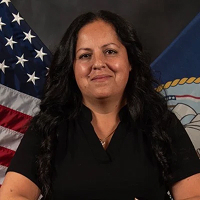
At TALTalks San Diego, SNAP will be represented by Melina Lavullis, Engagement Lead with the Spay-Neuter Action Project. Through clinic coordination, community outreach, volunteer engagement and public education, Melina helps connect people with SNAP’s services and build greater awareness around prevention-based animal welfare. She will share how accessible spay and neuter services can create an impact that reaches far beyond an individual animal — strengthening families, reducing pressure on shelters and helping build a more compassionate community.

© 2025 TALTalks. | info@taltalks.org