

What does it take to transform a water-stressed village into a community with renewed hope? It takes more than addressing an immediate shortage. It requires restoring natural resources, strengthening livelihoods and creating solutions that communities can sustain.
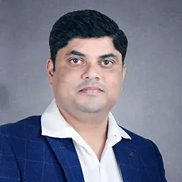
Ganesh Thorat, Chief Executive Officer of Naam Foundation, is associated with this mission of rural transformation. An engineering graduate with a Bachelor of Engineering in Civil Engineering, he brings a practical, development-focused perspective to the organisation’s work.
Naam Foundation began in September 2015 as a movement spearheaded by Nana Patekar and Makarand Anaspure, in response to the severe drought conditions, water scarcity and distress faced by farmers in Maharashtra. Its work focuses on supporting rural communities through water conservation, agricultural development, education, livelihood initiatives and village welfare.
As CEO, Ganesh is part of the leadership driving this mission forward. The Foundation’s water conservation initiatives include river rejuvenation, desilting of dams and percolation tanks, farm pond construction, canal restoration, stream deepening and groundwater recharge. These efforts aim to improve water availability for agriculture and daily life, while helping villages become more resilient to drought.
Its work also extends beyond water. Through farmer support programmes, educational assistance, widow welfare, healthcare initiatives, livelihood development and disaster relief, Naam Foundation addresses interconnected challenges faced by rural families.
The Foundation’s approach places importance on community participation, local knowledge, partnerships and long-term self-reliance. Its vision is to empower people, reduce farmer distress and contribute to the development of a progressive society.
Through his leadership at Naam Foundation, Ganesh Thorat is contributing to a larger effort to make rural communities stronger and more sustainable.
At TALTalks, his work offers an important perspective on how collective action, responsible resource management and community-led development can create lasting change.

© 2025 TALTalks. | info@taltalks.org